
The Psychology Behind Casino Design
Casinos are meticulously crafted environments that employ various psychological tactics to keep players engaged. One of the foremost strategies is the use of sensory stimulation. Bright lights, vivid colors, and captivating sounds of slot machines create an enticing atmosphere that can lead players to lose track of time. The casino’s layout is often designed to encourage exploration, pulling guests deeper into the space where they might encounter more games and opportunities to play, including the chance to enjoy a fast withdrawal casino uk experience, ultimately extending their visit.
Another psychological tactic employed is the concept of “near misses.” When players come close to winning but do not, it generates excitement and anticipation. This sensation can lead individuals to continue playing in hopes of hitting the jackpot, as they believe success is just around the corner. Casinos often stack the odds in a way that maximizes these near misses, fostering a cycle of hopeful engagement that prolongs gameplay and increases potential revenue for the establishment.
Furthermore, the ambient settings of casinos are specifically designed to evoke feelings of comfort and relaxation. The use of plush seating, complimentary drinks, and sometimes even food keeps players in the casino for longer periods. This carefully curated environment reduces distractions from the outside world, further encouraging patrons to focus on their gaming experience instead of their time spent within the casino walls. Together, these design elements combine to create an immersive experience that can lead to extended playtime.
Reward Systems and Incentives
Casinos often implement comprehensive loyalty programs to keep players returning. These systems reward customers with points that can be redeemed for various benefits such as free plays, meals, or even luxurious accommodations. By offering rewards for continued gameplay, casinos create a sense of belonging and value that can deepen the relationship between the player and the establishment. This form of customer retention extends beyond individual visits, encouraging players to return frequently to accumulate more rewards.
In addition to loyalty points, casinos utilize promotional incentives like bonuses for signing up or for specific gameplay on certain days. These bonuses often entice new players or encourage existing players to gamble more than they initially intended. For instance, a player may enter a casino with a set budget, but the allure of a bonus on their next game can lead them to exceed that budget. This tactic not only increases immediate engagement but also plants the idea that players can enjoy numerous benefits from their time in the casino.

Players are also keenly aware of the psychological aspects of losing streaks. Casinos often amplify this feeling through the use of loss rebates or “comp” offers, attempting to create a sense of fairness and rewarding players who have experienced a financial downturn. This strategy tends to resonate well with patrons who may feel that their losses can be mitigated. By employing reward systems that acknowledge their losses, casinos keep players in the game longer, encouraging them to play in hopes of recouping their investments.
The Role of Game Variety and Accessibility
The vast array of games available in casinos is another significant factor in maintaining player engagement. From slot machines with diverse themes to table games offering various betting limits, casinos cater to a wide range of player preferences and budgets. This diversity not only invites new players but keeps seasoned gamblers returning for the thrill of trying out new experiences. By continually refreshing their game offerings, casinos ensure that there is always something to entice players and keep them within the gaming space.
Accessibility is also key to casino design. Many casinos offer 24/7 operation, allowing players to indulge whenever they choose, which adds to the allure of the gaming experience. In addition, the convenience of cashless gaming options and mobile applications gives players the freedom to play on their own terms. This accessibility leads to longer play sessions, as players can easily transition from one game to another without interruption.
Moreover, casinos often create themed areas that transport players into different worlds. For instance, some may replicate famous destinations or historical periods, generating a unique atmosphere that isolates players from reality. This thematic immersion keeps players engaged longer, as they are drawn into a narrative that enhances their gaming experience. By combining game variety with accessible play options, casinos significantly increase the potential for longer gaming sessions.
The Impact of Social Interaction
Social interaction plays a significant role in the design of casinos, serving as a potent tool for prolonging gameplay. Many casinos feature open layouts and communal gaming tables, where players can engage with each other while gaming. This interaction fosters a sense of community, making players feel part of a larger social experience. By creating an environment where players can share their victories and frustrations, casinos elevate the gaming experience and encourage longer periods of play.
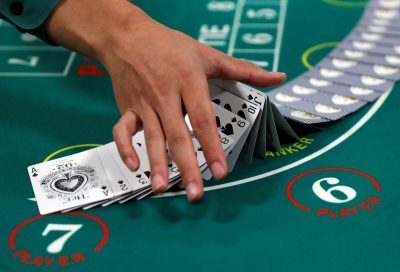
Additionally, casinos frequently host tournaments and special events, drawing in crowds and enhancing the social aspect of gaming. Engaging in competitive play with fellow patrons can be exhilarating, and the excitement of such events can lead to longer visits. Players tend to stay to cheer on their friends or enjoy the shared camaraderie created by the event, often resulting in extended play sessions that might not occur during an ordinary visit.
Furthermore, many casinos incorporate entertainment such as live music or shows, providing additional incentive for players to remain on-site. When patrons can enjoy both gaming and entertainment, they are more likely to spend more time at the casino, as it creates an all-encompassing experience. By emphasizing the social elements of gaming and offering various entertainment options, casinos create an engaging atmosphere that cultivates prolonged player participation.
Conclusion: Understanding Casino Dynamics
Ultimately, the design and strategy of casinos are centered around the goal of keeping players engaged for longer periods. By employing psychological tricks, offering rewards, ensuring game diversity, and enhancing social interaction, casinos are adept at creating environments that extend gameplay. While these tactics are often seen as instrumental in boosting casino revenues, they also reflect an understanding of player behavior and preferences.
For players, understanding these dynamics can lead to more mindful gaming experiences. Recognizing the elements designed to extend your time at the casino can empower you to make informed decisions about your gaming habits. Knowledge about the architecture of engagement can help players enjoy their time in casinos responsibly while still enjoying the excitement that gaming has to offer.
As you explore the vibrant world of casinos, remember that awareness of these strategies can enhance not only your experience but also your ability to manage your time and finances effectively. The interplay of design, psychology, and social engagement in casinos is fascinating, and when approached with mindfulness, can lead to memorable experiences.