
Cultural significance of gambling in shaping societies across history
The Historical Roots of Gambling
Gambling has ancient origins, with evidence suggesting its practice dates back thousands of years. Archaeological findings indicate that dice, used for games of chance, were present in Mesopotamia around 3000 BC. These early forms of gambling were often intertwined with religious rituals and societal norms, reflecting a complex relationship between chance, fate, and divine intervention. The use of gambling in ancient civilizations illustrates not only a form of entertainment but also a means of decision-making and community bonding. As players explore platforms like https://donbetcasinos.com, they can see how this past has influenced modern gaming experiences.
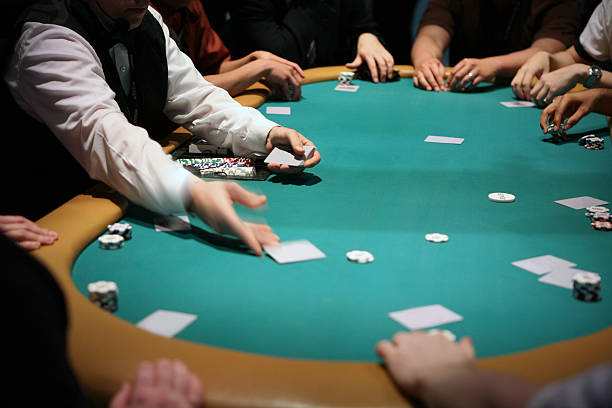
As societies evolved, so did gambling practices. In ancient Rome, for instance, betting on gladiator games became a staple of social life, showing how gambling could serve both as a pastime and a reflection of social hierarchy. The wealthy often sponsored games, while the lower classes participated for the thrill and potential rewards. This duality highlights gambling’s role in reinforcing social structures and providing an escape from the harsh realities of life, emphasizing its importance in cultural narratives.
The transition into the Middle Ages further emphasized gambling’s cultural significance. With the rise of card games and more organized betting practices, societies began to view gambling through a moral lens. While some saw it as a sinful activity, others embraced it as a legitimate form of leisure. This dichotomy laid the groundwork for contemporary debates on gambling, illustrating how societal values can shape perceptions of chance and luck over time.
The Role of Gambling in Economic Development
Gambling has historically contributed to economic growth, serving as a revenue source for both governments and local communities. In many regions, legalizing gambling has led to job creation, tourism, and infrastructure development. For instance, cities like Las Vegas and Macau have transformed into gambling hubs, attracting millions of visitors each year. The economic impact is profound, as local businesses thrive and new opportunities emerge, showcasing gambling’s potential to reshape urban landscapes.
Moreover, gambling often acts as a catalyst for broader economic changes. The introduction of casinos can stimulate local economies by increasing consumer spending, driving innovations in hospitality, and diversifying the entertainment sector. This phenomenon is not limited to major cities; smaller towns have also experienced revitalization through gambling establishments, illustrating how this cultural practice can bring about economic resilience in various contexts. The inclusion of advanced strategies in gaming provides interesting insights into achieving success and maximizing enjoyment for participants.
However, the economic benefits of gambling are not without consequences. Increased accessibility can lead to gambling-related issues, affecting individuals and communities alike. Striking a balance between economic development and responsible gambling practices remains a critical challenge. By examining the dual-edged nature of gambling, societies can better understand its complex role in shaping economic landscapes and cultural identities.
Gambling and Social Dynamics
The social dynamics surrounding gambling reveal its profound cultural implications. Throughout history, gambling has been a communal activity that fosters social connections and shared experiences. From friendly poker games in homes to large-scale betting events at racetracks, gambling acts as a social glue that brings individuals together. The camaraderie developed through these interactions often extends beyond the game, strengthening community ties and fostering a sense of belonging.
Moreover, gambling can reflect and challenge social norms. The rise of online gaming has democratized access to gambling, allowing individuals from diverse backgrounds to participate. This shift has prompted discussions on inclusivity and the potential for gambling to bridge social divides. However, it also raises questions about the implications for vulnerable populations, highlighting the need for informed discussions about responsibility and support systems.
Cultural narratives around gambling also influence social behavior and attitudes. In some cultures, gambling is embraced as a rite of passage, while in others, it may be stigmatized. These narratives shape how individuals engage with gambling, from casual participation to excessive behavior. Understanding these cultural contexts provides a richer perspective on gambling as a social phenomenon, underscoring its multifaceted nature in shaping human interactions and societal frameworks.
The Intersection of Gambling and Culture
Gambling is deeply ingrained in various cultural traditions worldwide. From the Chinese practice of Mah-jongg to the Western tradition of betting on horse races, each culture has unique ways of engaging with chance. These practices often mirror cultural values, beliefs, and historical experiences, enriching the tapestry of human expression. The ritualistic aspects of gambling, such as the use of luck charms or superstitions, further illustrate its role as a cultural phenomenon intertwined with identity.
Literature and art have also played significant roles in depicting gambling’s cultural relevance. Many novels, films, and songs explore themes of luck, fate, and human desire through gambling narratives. This creative exploration reflects societal attitudes toward chance and risk, prompting deeper reflections on morality, ambition, and the human condition. Such cultural products serve not only as entertainment but as critical commentaries on the role of gambling in shaping societal values.
The digital age has further transformed the cultural landscape of gambling. Online platforms have expanded access and variety, allowing for new forms of engagement. This evolution raises questions about how traditional cultural practices adapt and thrive in an increasingly digital world. Understanding these dynamics is essential for appreciating the ongoing significance of gambling in contemporary culture and its ability to evolve with societal changes.

Exploring the Online Gambling Experience
The advent of online gambling has revolutionized the way individuals engage with games of chance. Platforms like Donbet Casino UK illustrate the shift toward digital experiences, offering a vast array of games that cater to diverse preferences. With over 3,500 options, players can access slots, table games, and sports betting from the comfort of their homes, highlighting the convenience and accessibility that online gambling provides.
Donbet Casino is committed to ensuring a safe and secure gaming environment, emphasizing responsible gambling practices. By integrating advanced technology for player protection and offering educational resources, the platform promotes a balance between enjoyment and responsibility. This commitment reflects the broader cultural trend toward recognizing the potential risks associated with gambling while still embracing its entertainment value.
As online gambling continues to grow, it opens up new avenues for social interaction and community building. Features such as live dealer games and online tournaments create a sense of camaraderie among players, echoing the social dynamics historically associated with gambling. The blend of technology and tradition presents an exciting opportunity to explore how cultural significance evolves in the digital age, ensuring that gambling remains a vibrant aspect of society.